The Look of a Woman: facial feminization surgery and the aims of trans- medicine
Duke University Press, 2017
Developed in the United States in the 1980s, facial feminization surgery (FFS) is a set of bone and soft tissue reconstructive surgical procedures intended to feminize the faces of trans- women. While facial surgery was once considered auxiliary to genital surgery, many people now find that these procedures confer distinct benefits according to the different models of sex and gender in which they intervene. Surgeons advertise that FFS not only improves a trans- woman's appearance; it allows her to be recognized as a woman by those who see her.
In The Look of a Woman Eric Plemons foregrounds the narratives of FFS patients and their surgeons as they move from consultation and the operating room to postsurgery recovery. He shows how the increasing popularity of FFS represents a shift away from genital-based conceptions of trans- selfhood in ways that mirror the evolving views of what is considered to be good trans- medicine. Outlining how conflicting models of trans- therapeutics play out in practice, Plemons demonstrates how FFS is changing the project of surgical sex reassignment by reconfiguring the kind of sex that surgery aims to change.
*Winner of the 2017 Ruth Benedict Prize
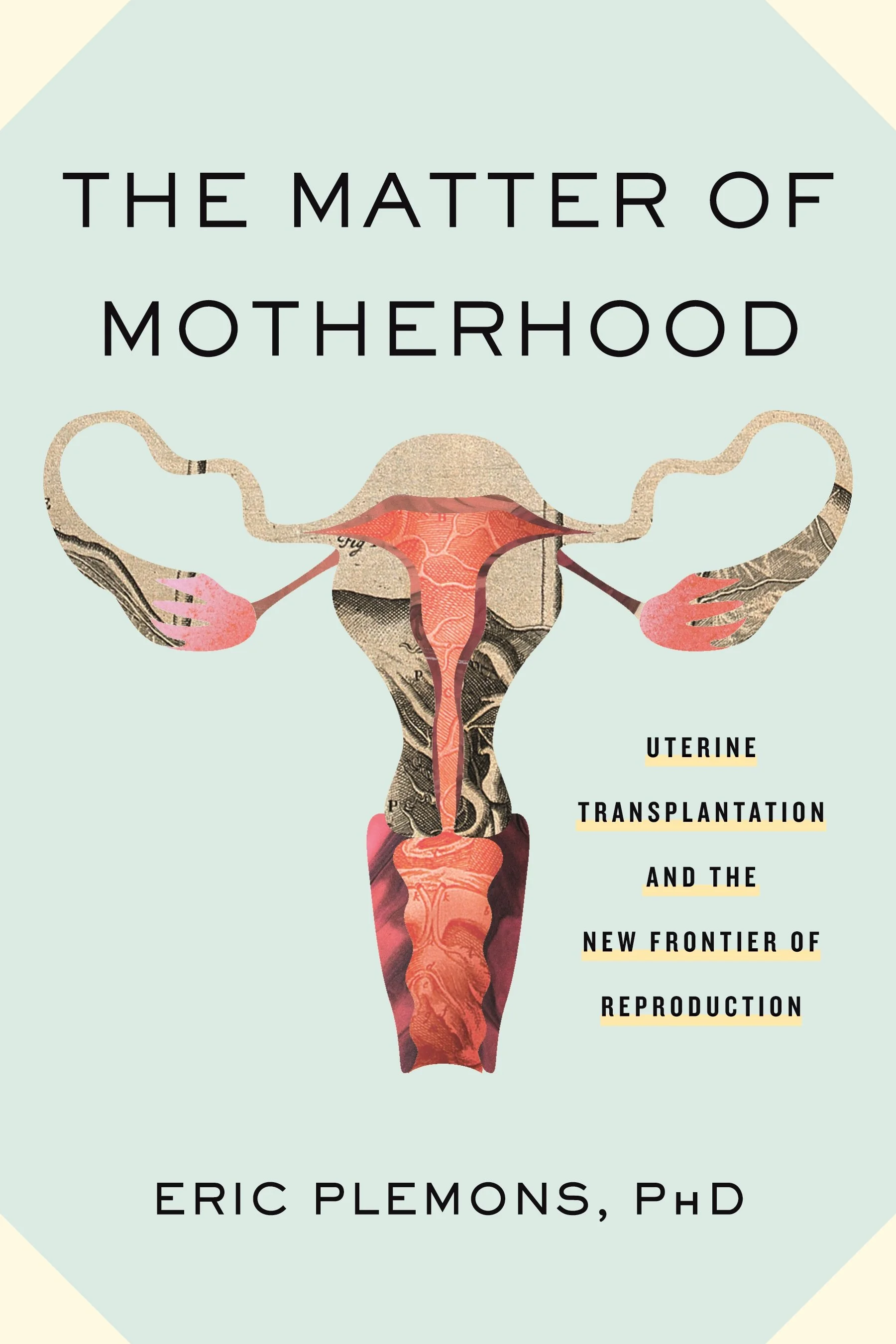
The Matter of Motherhood: uterine transplantation and the new frontier of reproduction
Beacon Press, November 2026
Uterine transplantation is the fastest-growing transplant field in the world. Multiple clinical trials have concluded, scores of healthy babies have been born from transplanted uteri, and research is booming.The Matter of Motherhood introduces readers to this cutting-edge, “life-enhancing” procedure—one that improves a recipient’s quality of life by restoring capacities that are considered necessary to live well. Plemons shares the stories of people who know UTx intimately: The women who longed to experience pregnancy but could not without a transplanted uterus, the donors who felt they no longer needed their uterus—an organ doctors describe as “the perfect organ to give away”—and the leading surgeons who helped develop the practice through clinical trials. Like any new form of transplant, the procedure provokes expansive debates about justice, health, access, identity, and more. With the uterus, these debates are also entangled with the powerful emotions that accompany conversations around gender, family, motherhood, and reproductive politics.
Throughout The Matter of Motherhood, Dr. Plemons invites us to consider vital questions, such as: who will be qualified to receive a donated uterus? Who can be the donors? Does this procedure confirm a version of womanhood that requires maternity at all costs? Or represent a new step toward reproductive autonomy?
The experiences Dr. Plemons presents give readers a glimpse of what the future of reproduction can be when the uterus—the organ long synonymous with womanhood and motherhood—becomes mobile.
